
10 Essential Items Every Neurodivergent Family Should Pack for Holiday (and why it's ok to overpack!)
Packing smart and well is a real skill, and it can be learned. This is particularly important when you have neurodivergent family members and deciding what to take could mean the difference between a sensory meltdown and a successful outing.
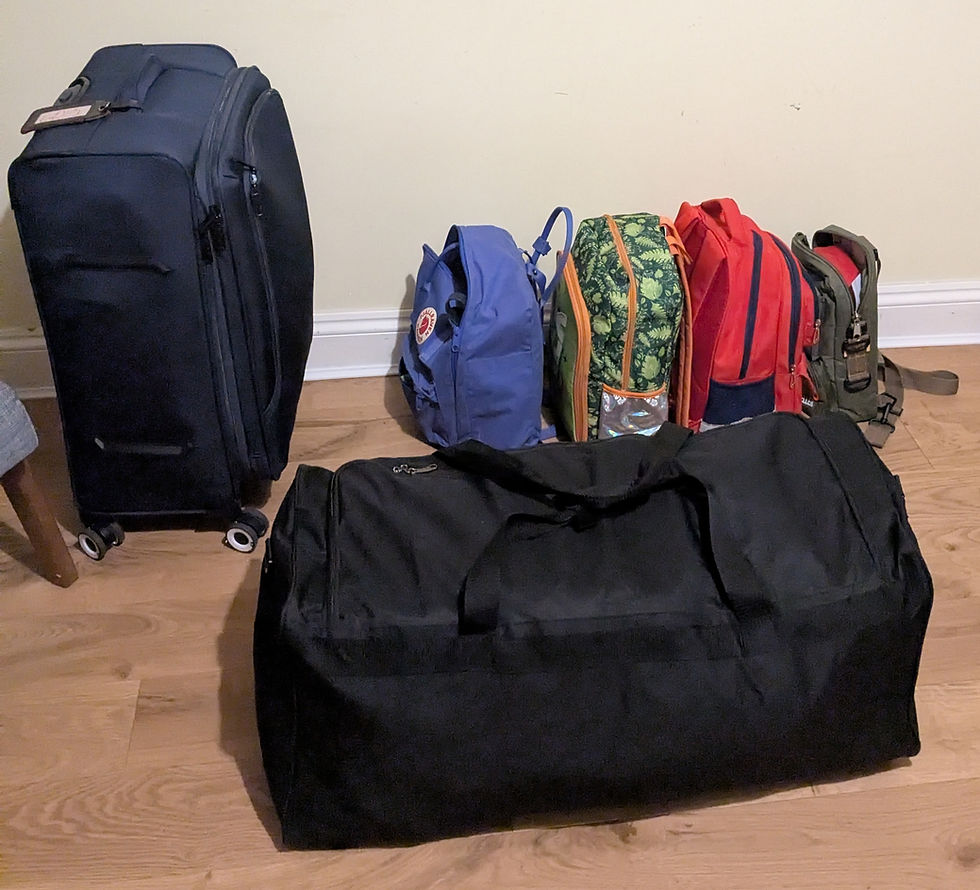
Sometimes the best things for your child aren't always the obvious things, and may be considered overkill by others.
Don't let other people's opinions, old thoughts or habits get in your head too much when preparing a daypack or sorting items for your family holiday.
If you feel overwhelmed and don't know where to start then read my dedicated article Avoid Pre-Travel Packing Chaos: The 3 Lists Every Autism Parent Needs.
Otherwise read on for our list of 10 essential categories that offer real value to neurodivergent families and definitely earn their place whenever we go away!

1. Hidden Disability Sunflower Lanyards
Make sure you keep the official hidden disability sunflower lanyard in your handbag ready to pop on, especially in transport hubs.
Although airports can be overwhelming you don't have to manage alone. The Hidden Disabilities Lanyard is a gentle, quiet way to let airport / train / bus staff know that your family might need a little extra time, clearer communication, or a bit of patience.
They can also provide access to priority queues at busy tourist attractions throughout the UK and US.
For more information on how to get your own Hidden Disability Lanyard read our dedicated post.
2. Proof of Disability
Always remember to pack a selection of Disability Documentation (ID cards, letters, official paperwork)
Slip any disability ID cards, National Access Cards, or doctor's letters into your handbag, this includes one that are issued by local authorities, rather than external bodies. We have used them in the UK and Europe to access free carer tickets and avoid lengthy queues so they are always worth including.
For more information on how to applying for a National Disability Card for Autism read our dedicated post.
3. Coloured Packing Cubes
Packing cubes are our secret weapon for stress free travel.
I first tried packing cubes in 2014 on a 5 week backpacking trip around South East Asia. Now I couldn't imagine going away without them, even on a one night minibreak!
Mess and clutter can quickly lead to sensory overload, especially when you are living out of a suitcase on holiday. Investing in coloured coded packing cubes help neurodivergent parents and kids:
Know which clothes go where and help keep sleeping spaces super tidy.
Know where to find their special items, and where to put them away again.
Pack and unpack at speed - perfect if its late in the day or the kids are begging for food.
How to make packing cubes work for your family:
Assign Colours: Give each family member or category their own colour (e.g., Dad gets blue, Mum gets yellow, kitchen items go in green). This visual identity makes it instantly clear whose items are whose without anyone having to dig through bags.
Offer Controlled Autonomy: Allow each child one or two packing cubes for theirs personal "extras." Let them fill these cubes with whatever toys or comfort objects they choose. If their items fit in their packing cube(s), it comes on holiday. This simple, tangible rule reduces pre-trip arguments and gives your kids a safe sense of control over their own packing process.
🎒 Our Tried-and-Tested Recommendation:
We use the heavy-duty Savisto Multi-Coloured Packing Cubes via Amazon* for this exact reason. The vibrant, distinct colours make it incredibly easy to assign a visual identity to each family member, and the mesh windows let kids peek inside without unzipping everything.
4. Prioritise Items that Offer Sensory Comfort
Always pack at least one of your child's core regulation tools.
Supporting your own and your child's emotional needs when travelling is just as vital as meeting their practical ones. New environments, loud noises, and altered routines can quickly trigger sensory overload or anxiety.
Making space for key sensory items can help kids cope when they feel anxious or overwhelmed. Here's a selection of key items and how to make it work:
a worry monster
oral chewbuddy
a favourite soft blanket
fidget toys
tub of soft playdoh or butter putty
weighted lap pad
I've put together a full list of the travel sensory items I always pack for holidays— you can browse them all on my Amazon Storefront*. Everything has been tried and tested by me, J and the boys!
Everything listed or suggested in this blog should be considered essential for regulation and mental health while away from home.
Never feel guilty about packing something due to its "bulky" or unconventional nature. If it helps your child feel safe and regulated, it deserves a spot in the bag, and yes, if necessary the additional baggage fees.
Pro Tip: Keep small tactile items like fidget toys or a fresh tub of playdoh easily accessible at the top of your bag, particularly during travel days when queues and 'waiting' is likely.
5. Make Room For Familiar Bedtime Items
Packing some familiar elements from your child's bedtime routine signals to an anxious autistic child (and their nervous system) that they are safe. This makes it much easier for them to relax and drift off to sleep.
A pillowcase from your child's bed and a fresh, clean one from the linen cupboard
Sleeping in an unfamiliar room with different sights, sounds, and smells can be deeply unsettling for an autistic child. The familiar smell and feel of home laundry provides instant comfort in a strange new bedroom or hotel room.
Protect the sleep routine: Don't hesitate to make room for their favourite soft toys, a special blanket, or a few beloved bedtime books. These are non-negotiable comfort items.
Add a safety light: Keep a small torch or a plug-in nightlight nearby. If they wake up disoriented in the middle of the night, being able to turn on a light helps prevent panic.
6. Prepare an Emergency Hand Luggage Cube
Luggage getting lost can and does happen. For an autistic child, losing familiar items (even temporarily) can cause real distress and anxiety.
Having a dedicated "worst-case scenario" kit in your carry-on ensures that even if your checked bags are delayed or don't turn up you can still meet some important elements of your child's sensory and emotional needs.
Give the emergency cubes their own colour: Use one specific packing cube in your hand luggage to hold each child's favourite outfit, their toothbrush, and if you have space, a set of pyjamas and soft toy.
Secure the primary comforts: Always keep their absolute favourite comfort item and at least two dependable sensory toys with you in the cabin — never risk checking these in.
Keep sensory items accessible: Placing this cube in your cabin bag ensures peace of mind on arrival. Even if you face baggage carousel delays upon landing, your child's immediate sensory transitions are fully covered.
7. Bring Small Home Comforts
The transition to a new environment also brings with it a complete shift in your child's sensory environment; different water pressure, unfamiliar textures, and strange scents.
Packing small, everyday items from home acts as a sensory bridge, reducing environmental anxiety and making daily routines (particularly around sleep, hygiene and eating) feel predictable and safe.
Pack everyday textures: If your child is highly sensitive to touch, pack their own familiar flannel, bath towel, or a favourite bath toy from home.
Stick to known scents: Bring your usual shampoo, body wash, and hand soap in travel bottles. The familiar scent instantly makes an unfamiliar bathroom feel a bit more like home.
Respect an item's utility: It might feel silly to pack a towel, bath mat or bath toy, but if it removes the anxiety of bath time on holiday, it is worth every inch of suitcase space.
8. A Selection of Your Own Kitchen Items
Unfamiliar textures, heavier weights, and the different shapes or colours of new bowls, cpus and plates can cause sensory distress and could lead to mealtime refusal. While a child can physically eat off a different plate, the emotional cost of masking that discomfort can come at a high price.
Adopt a bigger picture approach. Bringing your own kitchen items helps reduce anxiety and removes a sensory banner.
For us it has meant the difference between our youngest child being able to eat 'some' of his safe foods and eating nothing on holiday.
Validate the need: Remind yourself that bringing home items is a tool for emotional safety. It can directly reduce anxiety and keep mealtimes calm and predictable.
Pack the favourites: Slip their favourite plate, bowl, cup, or specific cutlery set into the bag, in multiples if you need to.
Support safe eating: Keeping the sensory experience of dining as close to home as possible makes it significantly more likely your child will continue eating their safe foods while away.
9. Safe Foods and Snacks
Many autistic children are "super-tasters" who notice even the slightest variation in ingredient brands, oil types, or seasoning blends. If a food doesn't taste exactly "right," it can feel unsafe to eat.
Packing your own supply of their safe foods could help your child stay nourished, hydrated, and regulated without the stress of finding acceptble foods in a new place.
Over-pack the essentials: Bring a generous supply of their absolute non-negotiable safe foods, snacks, and specific drinks or powders, especially when travelling abroad.
Remove the expectation to try new things: A holiday is already a massive sensory transition. Give your child control and let their mealtime be a safe zone of comfort and predictability.
Protect the supply: Pack these snacks in sturdy, hard-shelled containers inside your luggage so they don't get crushed or broken during travel.
10. Items That Support Transitions
Amidst all the joy and excitement of being away, holidays also bring unpredictable schedules, quick changes and new routines.
The visual supports and scaffolding you use at home to manage transitions are needed even more when you are away.
They offer your child a concrete roadmap of the day, turning an unpredictable environment into an understandable one. Most importantly they can help reduce uncertainty and increase autonomy, and your child's sense of control.
Bring your home supports: Pack whatever visual aids work best in your daily routine, whether that is laminated schedules, picture cards, or timers.
Use a portable whiteboard: A small, lightweight magnetic whiteboard or clipboard with dry-wipe markers is perfect for sketching out or updating the day’s changing schedule on the go. We also take it with us on more demanding day trips.
Pre-plan holiday specific visuals: Take a little time before the trip to create new, simplified visual schedules specifically tailored to the travel days and holiday excursions. I often create new ones just for the holiday - it really helps.

The Brilliance Of Visual Packing Checklists
Travel involves a lot of abstract concepts that can trigger pre-trip anxiety. Giving your child a visual list of items to look for helps turn the packing process into a fun activity and supports them to better understand what is going to happen.
Enabling children to take charge of their own packing is particularly useful for demand avoidant kids like my eldest.
It also helps all children build their independence and transforms transition anxiety into positive anticipation.
Use simple pictures:
Create a simple checklist featuring pictures of items next to the required quantity (e.g., a photo of a t-shirt with "x4" next to it).
Enable and value independence:
Consider letting your child use the pictures to find and choose their own outfits. This gives them a safe sense of control over their holiday wardrobe. You can always go back afterwards and add in anything important they may have left out.
Encourage your kids to contribute:
Always leave a few blank spaces at the bottom of the list. This allows them to add their own must-have items, respecting their feelings of control and autonomy.
Planning Your Next Calm Adventure
Packing your bags is just the first step to a successful getaway. To help you navigate the actual travel days and plan stress-free itineraries, explore our dedicated, parent-tested by us guides for neurodivergent travel:
Navigating the Airport:
Streamline your time at the terminal with our comprehensive guides on Booking Airport Special Assistance and understanding Airline Special Assistance features before you arrive at the boarding gate.
Taking the Train: If you are bypassing the skies and heading to Europe, read our honest review of using the London Eurostar Special Assistance desk at St Pancras, alongside our companion guide for navigating the return journey via Paris Eurostar Special Assistance seamlessly.
Exploring Cities: Once you are packed and ready to explore, check out our favourite Top London Attractions for Autistic Kids for low-demand, sensory-friendly itinerary ideas.
Crossing the channel? Read our handpicked list of Activities for Autistic Children in Paris or follow our relaxed 5-Night Paris Family Itinerary to keep the whole trip calm and manageable.
Final Words of Encouragement Before You Close Your Suitcase
Ultimately, holiday packing for an autistic child is not about fitting everything into a perfectly minimalist suitcase—it is about packing enough familiar items to ensure their emotional safety and protect their routine.
Trust your instincts, pack what you know they need and embrace your own way of travelling.
Wising you a beautiful, calm and regulated journey!
Happy Travels x


Comments